
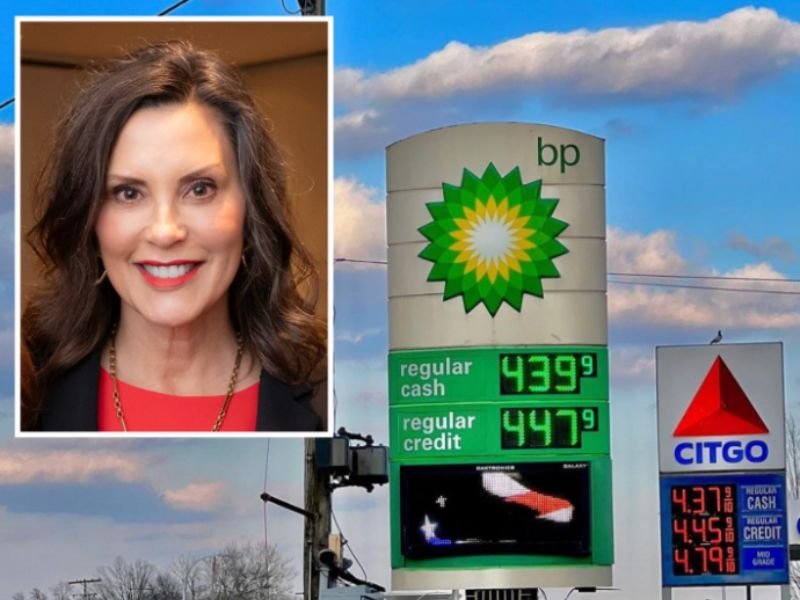
MICHIGAN — A sharp rise in gas prices has led to a statewide energy emergency declaration, with Governor Gretchen Whitmer issuing an executive order aimed at easing fuel supply pressures and stabilizing costs. The move follows disruptions in global oil markets linked to ongoing international conflict affecting key shipping routes.
Global Supply Disruptions Driving Price Spike
State officials pointed to instability in global oil markets, including concerns surrounding critical shipping corridors such as the Strait of Hormuz, as a major factor behind rising fuel costs.
As a result, the average price of regular gasoline in Michigan climbed to $3.89 per gallon as of April 2, up significantly from $2.99 prior to the conflict, marking an increase of roughly 30%.
Executive Order Targets Fuel Supply Expansion
Under Executive Order No. 2026-4, signed on April 2, the state is taking immediate steps to address supply challenges. The order temporarily suspends certain fuel regulations to allow for increased availability of gasoline across the state.
Specifically, Michigan will align with a recent federal waiver to expand the types of fuel that can be distributed, helping reduce strain on supply chains.
Temporary Rule Changes Affect Key Counties
The suspension applies to gasoline regulations tied to Reid vapor pressure (RVP) standards, which are typically enforced to control emissions during warmer months.
These standards normally impact several counties, including:
- Wayne
- Oakland
- Macomb
- Washtenaw
- Livingston
- Monroe
- St. Clair
- Lenawee
The temporary adjustment is expected to allow broader fuel distribution in these areas.
Measure Intended as Short-Term Relief
Officials emphasized that the emergency action is a temporary measure designed to prevent supply shortages and ease upward pressure on fuel prices.
The order does not represent a permanent change to Michigan’s environmental or fuel standards but instead serves as a short-term response to current market conditions.
Emergency Order Effective Immediately Through Summer
The energy emergency declaration took effect immediately upon filing and is scheduled to remain in place until July 1, 2026, unless conditions improve sooner or further legislative action is taken.
Authorities will continue monitoring fuel supply and pricing trends as the situation develops. Stay with GordonRamsayClub.com for the latest news updates and detailed coverage.

Leave a Reply