
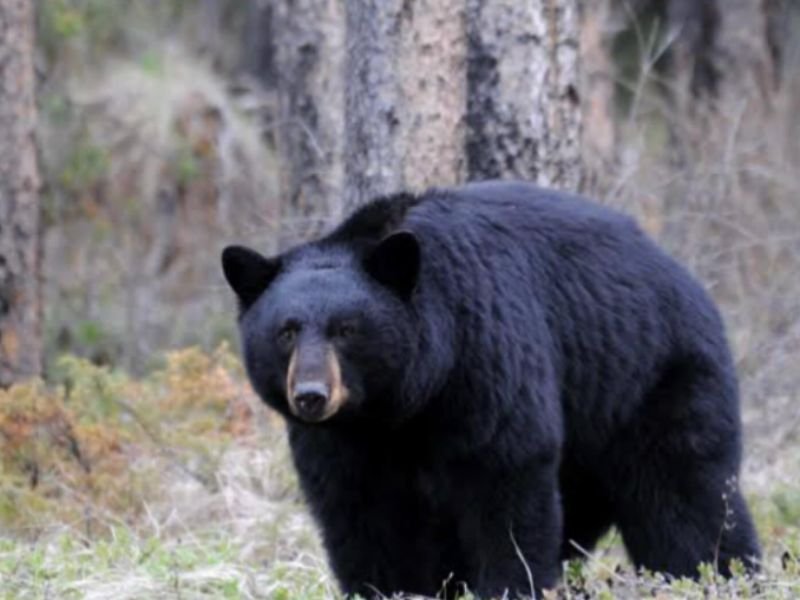
MICHIGAN — Wildlife officials across Michigan are urging residents to stay alert as thousands of black bears emerge from hibernation this spring, increasing the chances of encounters in neighborhoods and rural communities.
The Michigan Department of Natural Resources (DNR) says the state is home to roughly 12,450 black bears, with the majority living in the Upper Peninsula and a smaller population spread across parts of the Lower Peninsula.
As warmer weather arrives, bears that spent the winter months hibernating are now actively searching for food, and officials warn that everyday household items can unintentionally attract them.
Most Bears Located in Michigan’s Upper Peninsula
According to state wildlife estimates, approximately 10,350 black bears live in Michigan’s Upper Peninsula, where large forested areas provide ideal habitat.
Another 2,100 bears are believed to live in the Lower Peninsula, where sightings are less common but still possible, particularly in northern areas with wooded landscapes.
With the spring season underway, many female bears are also traveling with new cubs, which wildlife experts say can make encounters more sensitive if the animals feel threatened.
Powerful Sense of Smell Draws Bears Into Neighborhoods
Officials say black bears rely heavily on their powerful sense of smell, allowing them to detect food sources from long distances.
Because of this, common outdoor items can easily attract them, including:
- Bird feeders
- Pet food left outdoors
- Trash cans
- Greasy barbecue grills
When bears discover these food sources near homes, they may return repeatedly, increasing the chances of human-wildlife interactions.
Officials Urge Residents to Remove Potential Food Sources
To reduce the likelihood of attracting bears, wildlife officials are recommending several precautionary steps for residents across Michigan.
These include:
- Removing bird feeders for at least two weeks if a bear is spotted nearby
- Cleaning grills thoroughly after use
- Bringing pet food indoors
- Placing trash outside only on scheduled pickup days
In areas where bear activity is more common, officials say residents may also want to consider bear-resistant trash containers.
Spring Season Brings Increased Bear Sightings
Spring is typically one of the busiest times of year for bear sightings in Michigan, as animals that have spent months in hibernation begin moving through forests, rural areas, and occasionally suburban neighborhoods.
Wildlife experts emphasize that most bears prefer to avoid people, but they can become comfortable around homes if food sources are consistently available. Officials are encouraging residents to remain cautious and to report unusual or repeated bear activity to local wildlife authorities.
As Michigan’s forests wake up from winter, the return of thousands of black bears serves as a reminder that the state’s wildlife is active once again — and that small steps taken by residents can help prevent dangerous encounters. For continued updates on wildlife alerts and breaking regional news, stay connected with GordonRamsayClub.com.

Leave a Reply