
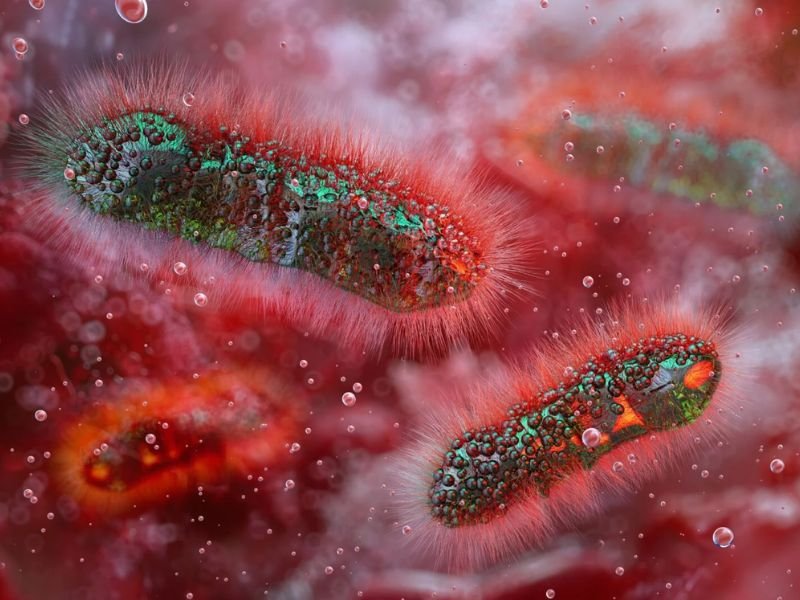
UNITED STATES — The Centers for Disease Control and Prevention has identified a sharp rise in drug-resistant Shigella bacterial infections across the United States, declaring the trend a public health threat as surveillance data confirms the bacteria is increasingly resistant to common antibiotics including macrolide, quinolone, and cephalosporins.
Drug-Resistant Shigella Cases Grew From 0% to 8.5% in Just Over a Decade
The latest surveillance data, published April 9 in the CDC’s Morbidity and Mortality Weekly Report, analyzed over 17,000 samples and found that the percentage carrying drug-resistant Shigella bacteria climbed from zero in 2011 to 8.5% in 2023.
Earlier outbreaks in the United States primarily affected children and involved strains that responded to standard antibiotic treatment. The CDC notes that the current wave of drug-resistant cases is occurring predominantly among men, with approximately one third of patients requiring hospitalization.
Shigella Spreads Easily and Symptoms Can Last Weeks
Shigella bacteria spreads through contaminated food or water and through sexual contact with an infected person. Symptoms include bloody and prolonged diarrhea, fever, and stomach pain, and typically take five days to a week to pass. In some cases, full recovery can take four or more weeks, and bowel movements may remain abnormal for several months after infection.
Dr. Anthony T. Maurelli, a professor of environmental and global health at the University of Florida, described Shigella as remarkably effective at causing disease, noting that only a very small number of bacteria are needed to trigger illness in a person.
No FDA-Approved Treatment Currently Available for Drug-Resistant Strain
While most Shigella cases resolve without medical intervention, antibiotics are used in serious cases. The critical concern with the drug-resistant strain is that there is currently no FDA-approved treatment available for it, leaving doctors with limited options when infections become severe.
Researchers continue to monitor the ongoing spread of the resistant bacteria as the percentage of drug-resistant cases continues to rise year on year across national surveillance data.
CDC Outlines When to Seek Medical Attention
The CDC advises seeking medical attention if diarrhea is bloody or prolonged, or if it is accompanied by fever, severe stomach cramping, tenderness, dehydration, or a weakened immune system. People with longer-than-normal cases are also urged to consult a doctor promptly rather than waiting for symptoms to resolve on their own.
Hand Washing and Hygiene Remain the Key Prevention Steps
The CDC emphasizes that Shigella spreads easily between people but can be avoided through consistent hygiene practices. Washing hands thoroughly with soap and water before preparing food, before eating, before sexual activity, and after any bathroom-related activity is considered the most critical preventive step.
People are also advised to avoid drinking from ponds, lakes, or swimming pools. Anyone who has experienced a Shigella infection should wait at least two weeks after diarrhea symptoms have fully ended before resuming sexual activity. Stay with GordonRamsayClub.com for the latest updates and detailed coverage.

Leave a Reply