
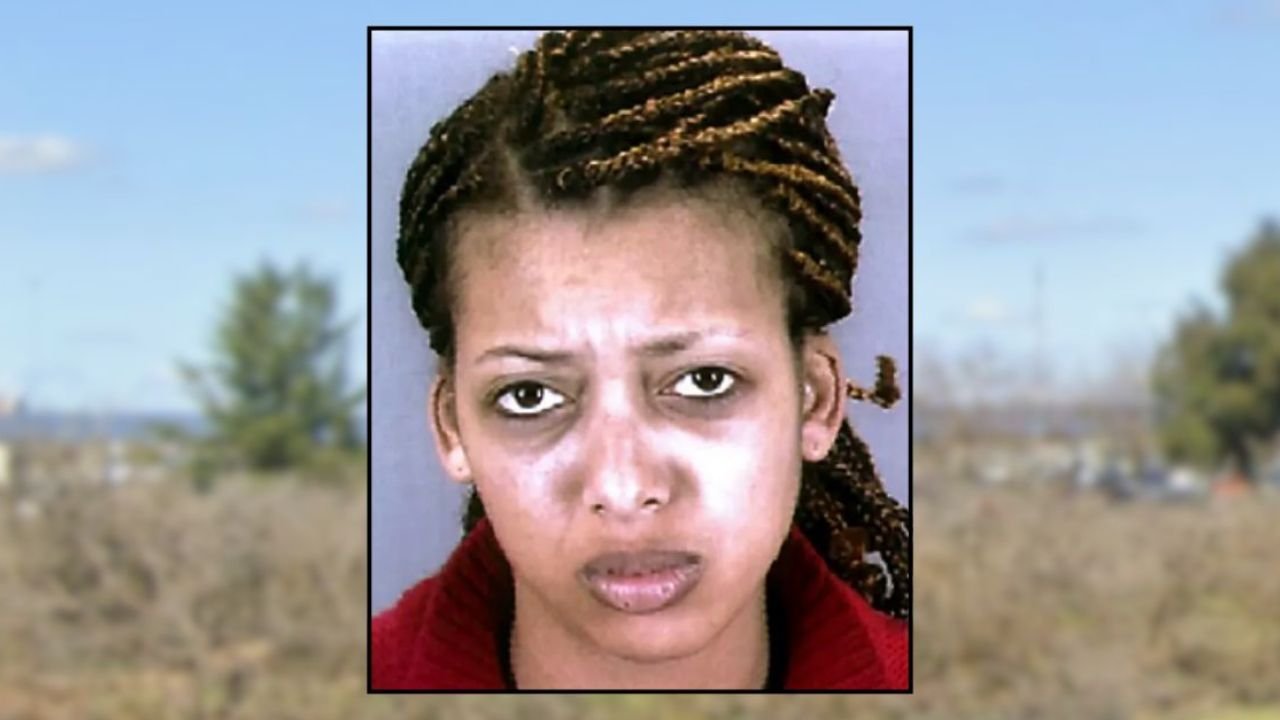
CHOWCHILLA, CALIFORNIA — More than 25 years after the shocking deaths of three young sisters in San Mateo County, the woman convicted in their killings may soon walk free.
Megan Hogg, now 53, has once again been found suitable for parole by a California state prison review board. Hogg has been serving a 25-years-to-life sentence since 1999 after pleading no contest to three counts of first-degree murder in the deaths of her daughters: 7-year-old Antoinette, 3-year-old Angelique, and 2-year-old Alexandra.
The final decision now rests with California Gov. Gavin Newsom.
The 1998 Murders That Shocked California
According to court records and prior reporting, Hogg was 25 years old when she duct-taped the mouths and feet of her three daughters on March 23, 1998, before smothering them inside their home.
After the killings, authorities said she attempted to take her own life by drinking hot chocolate mixed with approximately 40 different medications. Hogg and the children were later found by her mother.
The case stunned the local community and drew national attention due to the ages of the victims and the disturbing details outlined in court.
Motives Presented in Court
Court documents referenced Hogg’s history of depression following a head injury that reportedly caused seizures. Records indicated she claimed she wanted to “spare” her daughters from facing hardships similar to those she experienced.
However, prosecutors argued a different motive. According to previous statements, they alleged Hogg acted out of anger and jealousy, claiming she resented that the children had grown close to their grandmother, who was heavily involved in their upbringing.
The competing narratives became central to the legal proceedings that followed.
Parole Battle Spans Years
Hogg was first deemed suitable for parole in 2018 by a state prison review board. That decision was later reversed by then-Gov. Jerry Brown.
At the time, the San Mateo County District Attorney’s Office strongly opposed her release. Officials cited concerns including her behavior while incarcerated and questioned whether she had demonstrated sufficient remorse.
Now, on February 20, the prison review board once again ruled that Hogg is suitable for release from the Central California Women’s Facility in Chowchilla.
The San Mateo County District Attorney’s Office has reiterated that it “continues to strongly oppose” her parole.
Family Divided Over Possible Release
The parole hearings have highlighted deep divisions within the victims’ extended family.
Some relatives of the three girls — particularly from their fathers’ sides — have urged the state to keep Hogg behind bars. Others, including members of Hogg’s immediate family, have appeared at hearings in support of her release.
The emotional weight of the case remains heavy, even decades later.
Final Decision Lies With Governor
Under California law, Gov. Gavin Newsom now has the authority to affirm, modify, or reverse the parole board’s decision.
If the governor upholds the ruling, Hogg could soon be released after serving more than two decades in prison. If he overturns it, she will remain incarcerated and eligible for future parole review at a later date.
The case once again raises difficult questions about rehabilitation, accountability, and how the justice system handles crimes of this magnitude many years after they were committed.
For continuing coverage of major legal cases and parole decisions across California and beyond, stay connected with GordonRamsayClub.com.

Leave a Reply